

Understanding and Treating Heart Attacks
A heart attack occurs when blood flow to a part of the heart muscle is blocked, often by a blood clot. This is a medical emergency that requires immediate emergency heart care. Recognizing the symptoms and understanding the available treatments is crucial for survival and recovery. A cardiologist, or heart specialist, is the medical professional who specializes in diagnosing and providing heart disease treatment, including managing acute heart attacks.
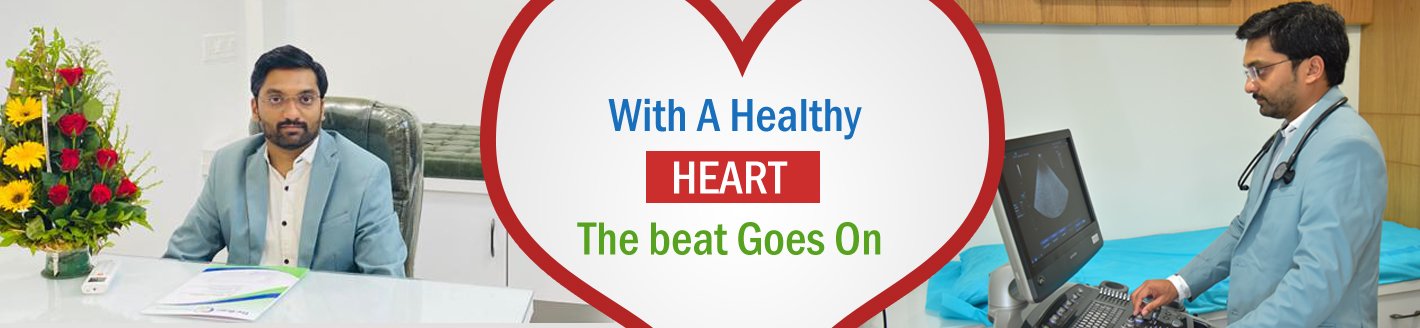
ABOUT DR. SACHIN PATIL
Dr Sachin Patil is a renowned senior consultant & Interventional Cardiologist practising in the city of Nagpur, Maharashtra. He has experience of more than 15 years in the medical field. He has performed more than 10,000 + coronary angiography and more than 5000 + coronary angioplasty, 2000+ Pacemaker, 1000+ Mitral Vavotomy & Balloon Repairs. He is known for his precision, patient-first approach, and extensive expertise in a wide range of interventional cardiac procedures. His extensive hands-on experience in interventional procedures has made him a trusted name in the management of complex cardiac conditions. Dr. Sachin Patil continues to be at the forefront of cardiology, committed to delivering advanced, patient-centric care.
NOVA HEART HOSPITAL
Nova Heart Hospital is a leading super-specialty cardiac care center located in Nagpur, Maharashtra, dedicated to providing comprehensive, high-quality heart care under one roof. With a patient-first philosophy, cutting-edge technology, and a team of highly experienced cardiologists and cardiac surgeons, Nova Heart Hospital has earned a reputation as one of the region’s most trusted names in cardiovascular healthcare.
Common Symptoms of a Heart Attack
The symptoms of a heart attack can vary from person to person. While some may experience sudden, severe chest pain, others might have more subtle signs. If you suspect a heart attack, it’s essential to seek immediate medical attention.
- Chest Pain or Discomfort: The most common symptom is a sensation of pressure, squeezing, fullness, or pain in the center of the chest. It can last for a few minutes or come and go.
- Pain or Numbness in Both Arms: This pain often radiates to one or both arms, the back, neck, jaw, or stomach.
- Shortness of Breath: This can occur with or without chest discomfort.
- Other Symptoms: Cold sweats, nausea, lightheadedness, or sudden fatigue can also be signs of a heart attack.
Causes of Heart Attacks
The primary cause of a heart attack is coronary artery disease, where the arteries supplying blood to the heart become narrowed and hardened due to plaque buildup. This condition is also known as atherosclerosis.
- Plaque Buildup: Cholesterol and other substances form a waxy plaque on the inner walls of the arteries.
- Rupture and Clot Formation: When this plaque ruptures, a blood clot forms at the site, which can completely block the artery.
- Reduced Blood Flow: This blockage starves the heart muscle of oxygen, leading to the death of heart cells.
- Risk Factors: High blood pressure, high blood cholesterol, diabetes, smoking, and a family history of heart disease significantly increase the risk. A heart check-up specialist can help identify these risks early through preventive cardiology.
Procedures and Treatment for Heart Attacks
Upon arrival at a cardiology clinic or heart hospital, a cardiovascular medicine doctor will quickly assess the situation using tests like an Electrocardiogram (ECG/EKG) and blood tests. The primary goal of heart attack treatment is to restore blood flow to the heart as quickly as possible.
- Medications: Doctors often administer aspirin to prevent further clotting and nitroglycerin to widen blood vessels.
- Angiography and Angioplasty: A cardiology specialist performs a cardiac catheterization procedure. During angiography, a dye is injected to visualize the blocked artery on X-ray. This is followed by angioplasty, where a balloon is inflated to open the artery, and a stent is often placed to keep it open.
- Bypass Surgery: In some cases, a heart surgeon may perform a coronary artery bypass graft (CABG) to reroute blood flow around a blocked artery.
- Long-Term Management: Post-treatment care includes lifestyle changes, medications to manage high blood pressure, high blood cholesterol, and diabetes treatment to prevent future heart attacks. A low blood pressure treatment plan may also be needed.
FAQs on Heart Attack Treatment
Q1: How can I prevent a heart attack?
A1: Prevention is key. This includes managing risk factors like high blood pressure and high blood cholesterol, maintaining a healthy weight, exercising regularly, not smoking, and following a balanced diet. Regular heart check-ups with a heart doctor are also vital.
Q2: What is the difference between a heart attack and cardiac arrest?
A2: A heart attack is a circulation problem where blood flow to the heart is blocked. Cardiac arrest is an electrical problem where the heart stops beating effectively. While a heart attack can lead to cardiac arrest, they are not the same.
Q3: Can a heart attack be treated without surgery?
A3: Yes, many heart attacks are treated non-surgically with procedures like angioplasty and the placement of a stent. The decision depends on the severity and location of the blockage.
Q4: Is it possible to have a heart attack with no chest pain?
A4: Yes, some people, especially women and individuals with diabetes, may have a “silent” heart attack with no chest pain. Symptoms can include shortness of breath, fatigue, or discomfort in the neck, jaw, or arms.
Q5: What are the long-term effects of a heart attack?
A5: After a heart attack, the heart muscle may be weakened, which can lead to complications such as heart failure or an irregular heartbeat. A cardiologist will provide a comprehensive plan to manage these risks and aid recovery.
Dr. Sachin Patil: A Leading Heart Specialist in Nagpur
For those in Nagpur, Dr. Sachin Patil, a top heart doctor and senior consultant & interventional cardiologist, is a highly regarded name in cardiac care. With his extensive experience and qualifications (MBBS, MD Medicine, DM Cardiology), he provides expert cardiology consultation and advanced heart attack treatment. He is a specialist in interventional procedures like angiography and angioplasty, as well as pacemaker implantation. Dr. Patil’s commitment to providing accessible and affordable heart care makes his cardiology clinic a trusted choice for comprehensive heart disease treatment.